
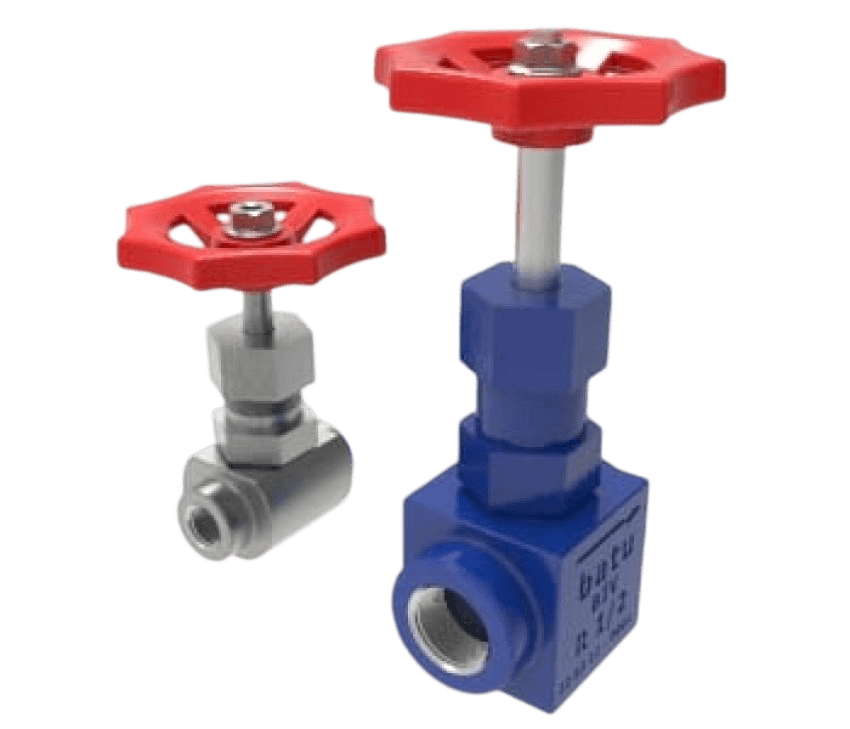
Batu Valve · Needle Valve
PN 250 Threaded (Steel)
- Type code
- BİV - Dİ
- Size range
- DN8–50
- Pressure class
- PN250
Product catalog
Batuvalve needle valve delivers precise flow control for industrial systems, ensuring accuracy, durability, and reliable performance
Needle Valve
In many industrial applications, controlling the flow of fluids with precision is crucial for ensuring operational efficiency and system safety. Needle valves are essential components designed for fine flow regulation in a variety of fluid systems.
Key Technical Specifications
Precision Control for Fluid Flow Regulation
In many industrial applications, controlling the flow of fluids with precision is crucial for ensuring operational efficiency and system safety. Needle valves are essential components designed for fine flow regulation in a variety of fluid systems. Their ability to offer precise control over flow rates makes them indispensable in industries such as chemical processing, oil and gas, pharmaceuticals, and HVAC systems.
This article delves into what a Needle Valve is, how it works, its key features, different types, advantages, and various industrial applications.
What is a Needle Valve?
A Needle Valve is a type of valve used to control the flow of liquids or gases in a pipeline. Unlike traditional valves, which provide on/off control, a needle valve is designed to offer fine, precise regulation of fluid flow. The valve features a long, tapered needle-like stem that moves into and out of a seat, adjusting the size of the opening through which the fluid passes. This mechanism allows for accurate control over the flow rate, making it ideal for applications where precise flow measurement and regulation are essential.
Needle valves are widely used in systems where fluid flow needs to be controlled with great accuracy, such as laboratory experiments, high-pressure gas systems, and hydraulic applications.
CONTENT
Key Features of Needle Valves
Precision Flow ControlThe primary feature of a Valve is its ability to provide precise control over fluid flow. The needle-like stem can be adjusted with great accuracy, making it ideal for applications where the flow needs to be adjusted incrementally, such as in dosing systems, calibration, or pressure control.
Fine Thread Stem DesignThe products typically have a fine-threaded stem, which allows for small, incremental adjustments to the flow rate. The stem’s fine threads offer high sensitivity, allowing operators to make tiny adjustments to the flow, which is essential in many industrial processes.
Variety of MaterialsThe products are available in a range of materials, including stainless steel, brass, and carbon steel, to accommodate various types of fluids, temperatures, and pressures. Depending on the application, needle valves can be chosen for compatibility with chemicals, gases, or other aggressive fluids.
Leakage PreventionMost valves are designed to minimize leakage, even at low pressures or with highly viscous fluids. This feature ensures that the system remains secure and leak-free, reducing the risk of contamination and pressure loss.
Compact DesignThe products typically have a compact design, making them suitable for installation in tight spaces where traditional valves may not fit. This makes them a versatile choice in both industrial and laboratory settings.
Bidirectional Flow ControlThe products can often be used in both directions, allowing for flexible installation and operation. This bidirectional control enhances their functionality in various fluid systems.
Types of Needle Valves
Manual Needle ValveThe manual valve is operated by hand, using a threaded knob or handle to adjust the flow. This type of needle valve is ideal for applications where precise adjustments are needed but where automatic control is not required.
Automated Needle ValveAutomated valves are equipped with actuators that allow for remote or automated control of the valve. These valves are used in systems where flow control needs to be adjusted frequently and consistently, such as in manufacturing or chemical processing.
Single-Seat Needle ValveThe single-seat valve uses a single seat to control the flow. It is typically used for low to moderate-pressure systems and is ideal for applications requiring precise flow regulation at low flow rates.
Double-Seat Needle ValveThe double-seat valve features two seats and is designed for higher-pressure applications. It provides better sealing performance, making it suitable for applications where pressure control is critical.
Two-Way Needle ValveA two-way valve is used to control the flow in one direction and stop it in the other. It is often used in systems where flow needs to be regulated in a specific direction.
Needle Valve with GaugeSome needle valves come with a built-in pressure gauge that allows operators to monitor both the flow and the pressure of the fluid in the system simultaneously. This can be particularly useful in precision applications where both parameters must be closely controlled.
Advantages of Needle Valves
Precise Flow ControlThe main advantage of a valve is its precision. It allows operators to make very fine adjustments to the flow of fluids, which is crucial in applications like chemical injection, sampling systems, and pressure regulation.
Improved System PerformanceBy offering fine control over fluid flow, the products help optimize the performance of the system. They can prevent over-pressurization, ensure the right amount of fluid is delivered to critical components, and improve the overall efficiency of fluid handling.
Leak Prevention and SafetyThe products are designed to prevent leakage, even at low or variable pressures. This feature ensures that fluid systems remain safe, minimizing the risk of system failure, fluid contamination, or pressure loss.
High-Pressure CapabilityMany valves are designed to handle high-pressure environments, making them suitable for use in gas and liquid applications where pressure regulation is critical. Their design ensures durability and longevity in challenging conditions.
DurabilityThe products are constructed from high-quality materials such as stainless steel, which makes them durable and resistant to wear and tear. This ensures they perform reliably in even the most demanding industrial environments.
VersatilityWith various types and sizes available, the products can be used in a wide range of industries and applications. From chemical plants to laboratories, these valves offer flexible solutions for precise fluid control.
Applications of Needle Valves
Chemical ProcessingIn chemical processing, the products are used to control the flow of chemicals through pipelines, reactors, and mixing systems. Their precision allows for exact measurements of chemical doses and ensures safe, efficient operation.
Oil and Gas IndustryIn the oil and gas industry, the products are essential for controlling the flow of gas and oil through pipelines and equipment. They are used in high-pressure systems and critical operations such as wellhead control, pressure regulation, and flow measurement.
Water TreatmentThe products are often used in water treatment plants to regulate the flow of water through filtration and treatment processes. They are also used in systems where precise control of flow is required for chemical dosing or other treatment processes.
Pharmaceutical IndustryThe pharmaceutical industry relies on valves for precise flow control in processes such as drug formulation, mixing, and chemical dosing. Their ability to handle high levels of precision is crucial for maintaining stringent quality standards.
Laboratories and ResearchIn laboratory settings, needle valves are used to control the flow of gases and liquids in experiments. Their fine control capabilities are essential for accurate measurements and achieving the desired results in scientific studies.
HVAC SystemsNeedle valves are employed in HVAC systems to regulate the flow of refrigerants and other fluids. They help optimize the performance of air conditioning systems and chillers, ensuring efficient operation and energy savings.
Hydraulic SystemsIn hydraulic systems, needle valves provide precise control over fluid flow, enabling smooth and efficient operation of hydraulic machinery and equipment. They are often used in pressure testing and flow control applications.
Why Choose a Needle Valve?
If your application requires fine, accurate control of fluid flow, a valve is an excellent choice. Whether you need to regulate gases, liquids, or other substances, needle valves provide reliable performance and high precision in controlling flow rates. Their versatility, durability, and safety features make them indispensable in industries where fluid control is critical.
With a range of materials, designs, and types to choose from, needle valves can be customized to meet the specific needs of your system, ensuring optimal performance and efficiency.
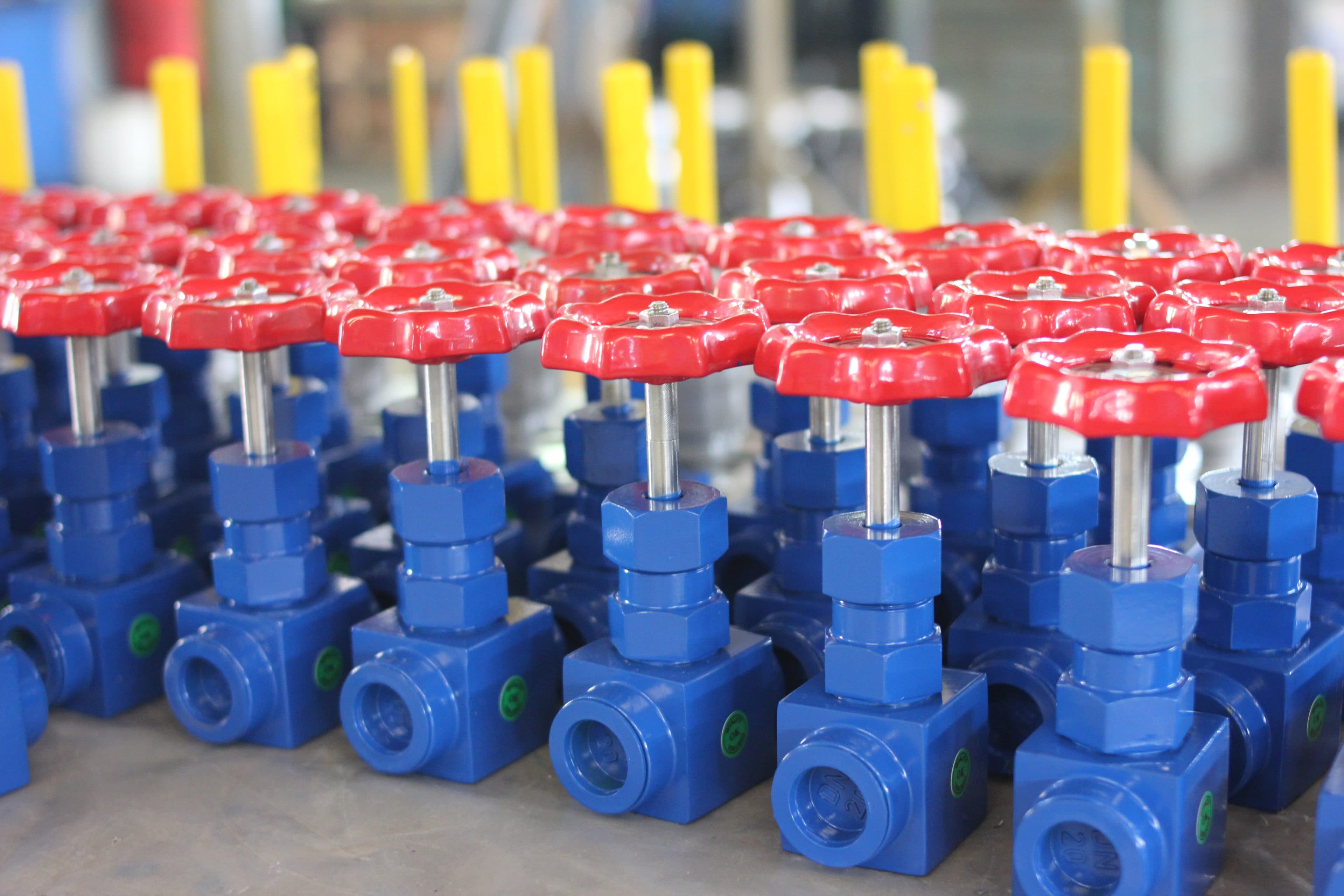
Batu Valve · Needle Valve
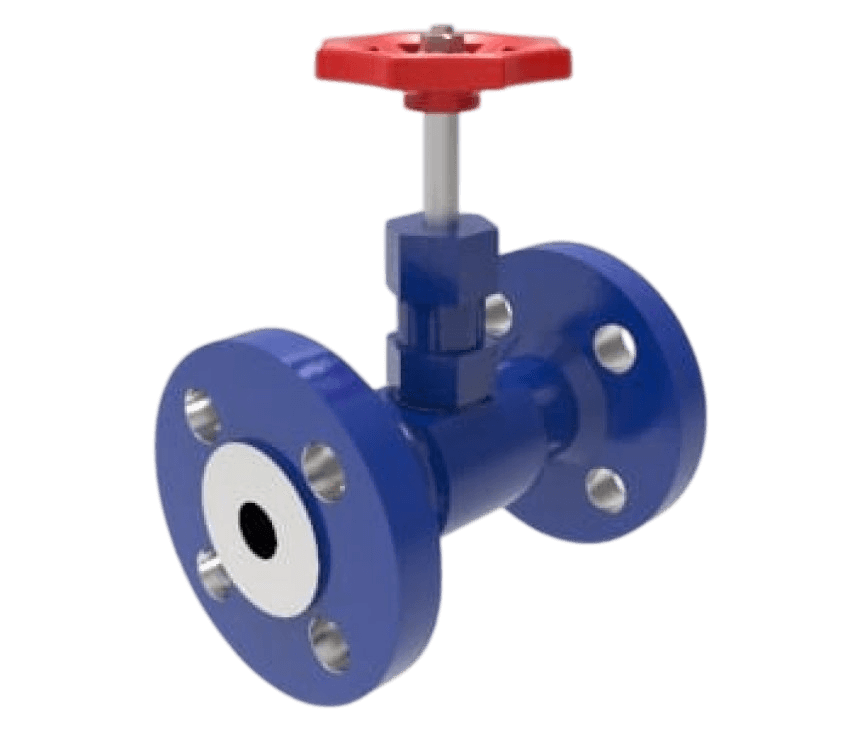
Batu Valve · Needle Valve